Sash Windows: When to Repair and When to Replace
01 July 2026
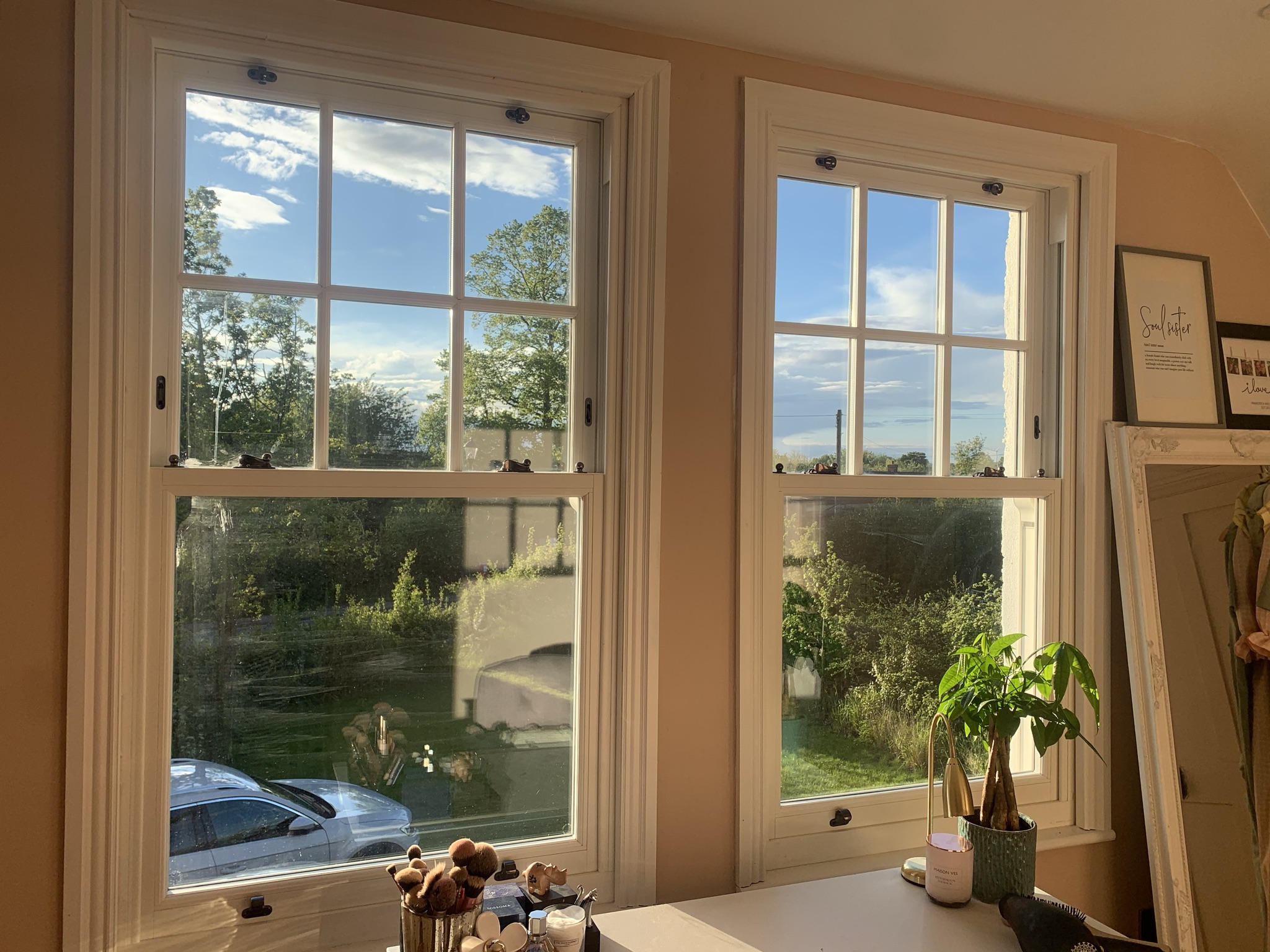
Sash windows are one of those features that make a house feel like a home. They add proportion, character, and a certain quiet elegance that modern windows rarely match. But they also come with a very specific dilemma, one almost every owner of a period property faces at some point:
Do I repair them, or is it time to replace them?
It’s rarely a simple decision. Sash windows are often original to the building, sometimes decades or even centuries old. There’s history in them. There’s also, quite often, a draught, a rattle, and a heating bill that keeps climbing.
So let’s talk it through properly, the way we would if we were standing in your hallway, looking at the frames together.
Start With What the Windows Are Actually Doing
Before anything else, it helps to be honest about how your sash windows are performing day to day.
Are they:
- Sticking, jamming, or refusing to stay open?
- Rattling in the wind?
- Letting in noticeable draughts?
- Showing signs of rot, flaking paint, or soft timber?
- Fogging up, or dripping with condensation in winter?
- Costing you a fortune to heat around?
One or two small issues usually point towards repair. A long list, especially one that includes rot and heat loss, usually points towards replacement.
When Repair Is the Right Call
A good sash window is a beautifully engineered thing. Cords, weights, pulleys, timber sections – all designed to be serviced, not thrown away. If the frame itself is fundamentally sound, repair is often the smarter choice.
Repair tends to make sense when:
- The timber is still solid – no widespread rot, just wear and tear.
- Cords have snapped or weights have come loose, so the sashes won’t stay up.
- Paint is flaking or crazed, but the wood underneath is healthy.
- Draughts are coming from worn seals or gaps, not failing joints.
- You live in a conservation area or listed building where original features must be retained.
A proper sash overhaul can include re-cording, re-balancing, easing and adjusting, replacing beading, adding modern draught seals, and repainting. In many cases, that alone transforms how the window feels to use, and how warm the room stays.
Repair is also the greener option. Keeping original timber in place avoids waste and preserves craftsmanship that’s hard to replicate.
When Replacement Makes More Sense
Sometimes, though, repair is only ever going to be a patch. If the underlying window is past the point of saving, you can end up spending good money without ever really fixing the problem.
Replacement usually makes more sense when:
- There’s significant rot in the sills, cills, or box frames.
- Frames are warped or twisted so the sashes no longer sit square.
- You still have single glazing and heat loss is a serious issue.
- You’re dealing with security concerns – weak latches, thin glass, tired frames.
- You’ve already had multiple rounds of repairs and problems keep coming back.
- You want the look of sash windows but with modern performance – warmth, quiet, low maintenance.
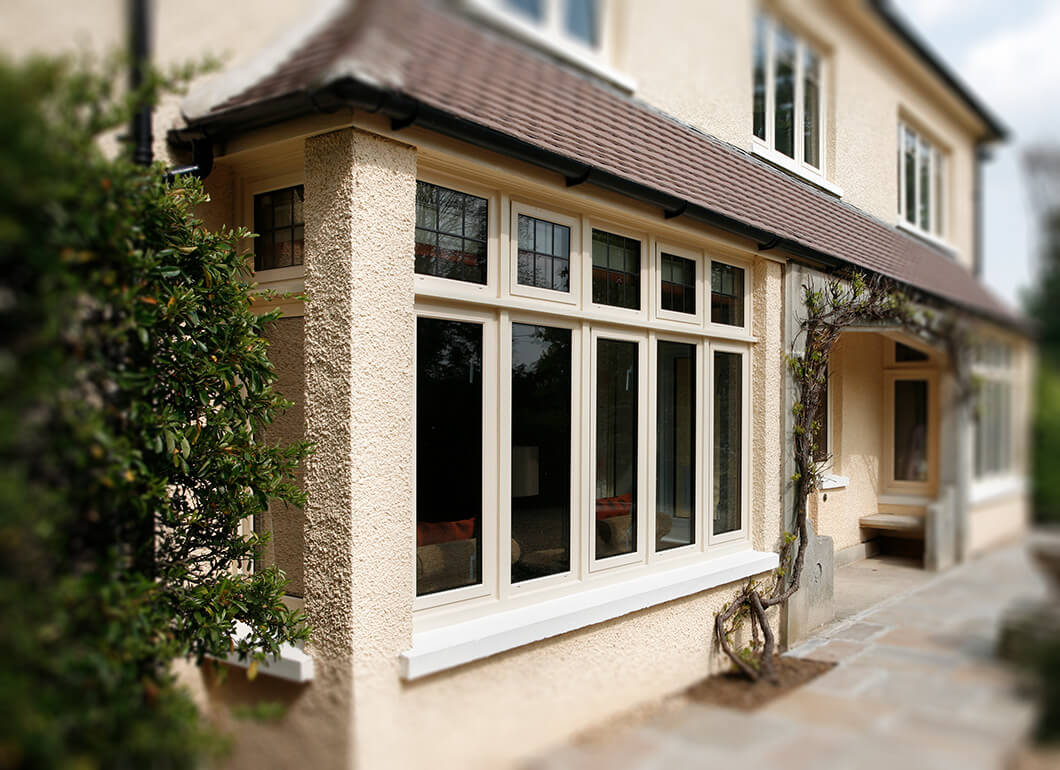
Modern replacement sash windows – whether timber, uPVC, or aluminium – can now replicate traditional proportions extremely closely. Slim sight lines, correct glazing bar layouts, run-through horns, heritage colours – it’s all possible. And behind that traditional look, you get double glazing, proper seals, secure locking, and effortless sliding.
For many Essex homeowners, that combination is the sweet spot: the character stays, the cold, the rattles, and the constant maintenance don’t.
Heritage, Conservation and Listed Buildings
Before you decide anything, it’s worth checking the status of your property.
- Listed buildings almost always require like-for-like timber repairs or replacements, with listed building consent.
- Conservation areas may have stricter rules on materials, profiles and glazing bars.
- Article 4 directions can restrict changes to windows on certain streets, even outside conservation areas.
That doesn’t mean you can’t improve the windows – it just means the route is different. In these homes, sensitive repair, secondary glazing, or carefully specified timber replacements are often the correct path.
A good installer will know how to navigate this and, where needed, work alongside your local planning office rather than around it.
The Cost Conversation
Cost is always part of the decision, and rightly so.
As a general rule:
- Repairs cost less upfront and can extend the life of a window by many years.
- Replacements cost more initially, but usually deliver bigger long-term savings on heating and maintenance.
Where it gets interesting is the total cost over time. Repeatedly patching up failing windows – repainting, re-puttying, sealing draughts, replacing cords again – adds up quickly. If you’re constantly spending on the same frames, replacement can end up being the more economical choice over a 10–20 year horizon.
Energy performance matters too. Old single-glazed sashes can be one of the biggest sources of heat loss in a period home. Modern replacements with A-rated glazing don’t just feel warmer, they help reduce bills every winter.
A Simple Way to Decide
If you’re still on the fence, this rough test tends to help:
- Is the timber structurally sound?
- Yes → repair is likely viable.
- No → replacement is probably the right call.
- How many issues are you dealing with?
- One or two isolated problems → repair.
- A long list across most windows → replacement.
- How is the window performing thermally and acoustically?
- Reasonable, just draughty in places → repair plus seals and possibly secondary glazing.
- Cold, noisy and expensive to heat around → replacement with modern glazing.
- Are you in a listed or heritage-sensitive property?
- Yes → talk to a specialist about sympathetic repairs or approved replacements.
- No → you have more flexibility on materials and styles.
None of this replaces a proper survey, but it usually gets people much closer to the right answer.
Where a Good Installer Comes In
Sash windows are a specialism. Not every double glazing company is set up for them, and it shows.
A good installer will:
- Actually look at your existing windows before quoting.
- Explain honestly where repair is possible and where it isn’t.
- Recommend styles and profiles that suit the age of your home.
- Talk you through material options, timber, uPVC, aluminium, rather than pushing one product.
- Provide a clear, written quote with everything included.
- Handle building regulations, guarantees, and, where relevant, heritage requirements properly.
If someone walks straight past your existing frames and starts quoting standard casements, they’re probably not the right fit for a sash job.
Final Thoughts
There’s no universal answer to “repair or replace?”. It depends on the age of the windows, the condition of the timber, the way you live in the house, and how you want the property to feel long term.
If your sash windows are structurally sound and full of character, repair can be a wonderful, respectful thing to do. If they’re tired, cold, insecure and constantly needing attention, replacement can quietly transform your home – without stripping away the style you love.
The key is not to rush the decision. Get someone experienced to look at them properly, ask plenty of questions, and choose the path that gives you a home that feels warm, safe, and true to itself for the next few decades.
Because good sash windows – repaired or replaced – should do more than just sit in the wall. They should quietly make the whole house feel right.
continue reading