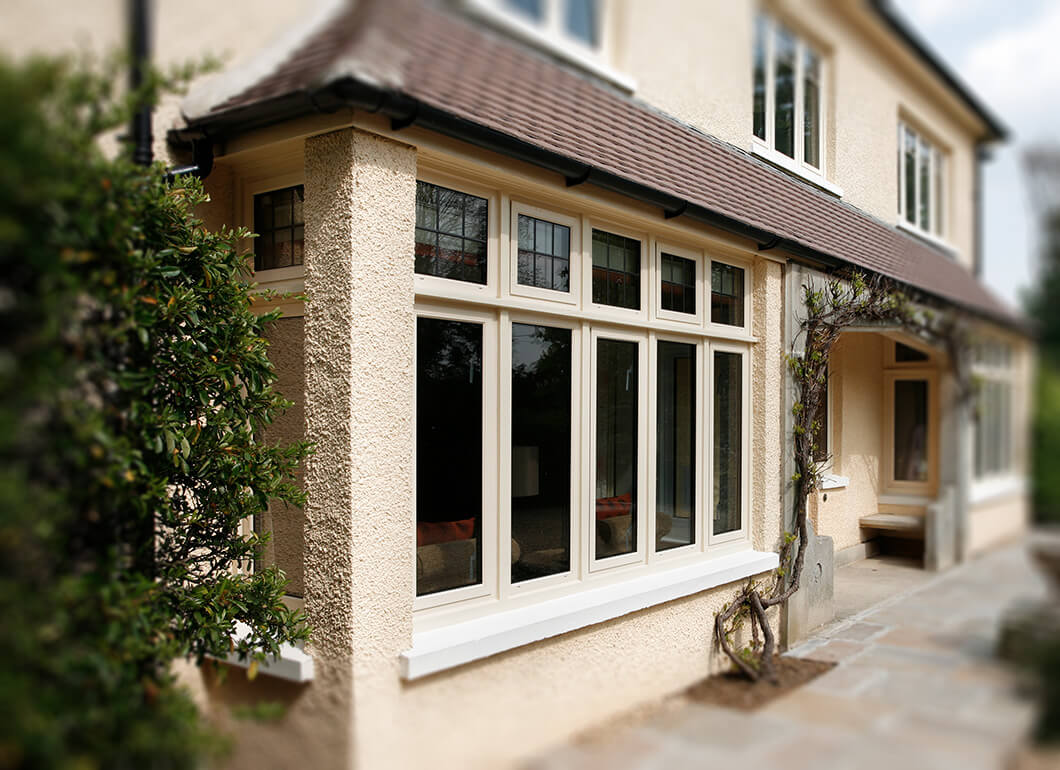
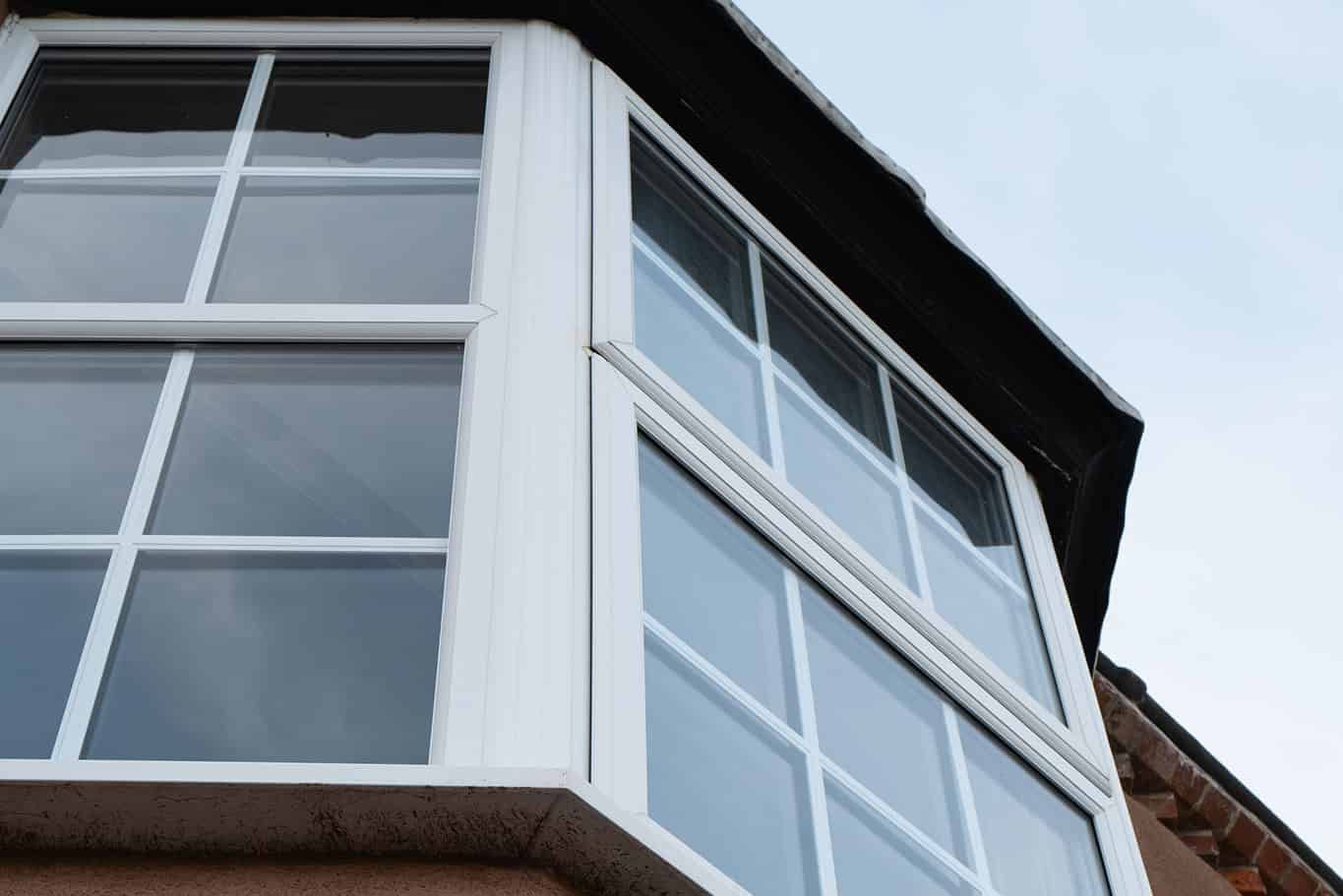
When it comes to making your home warmer, more comfortable, and more cost-effective to run, few upgrades deliver like than new windows. Among all the options on the market – timber, aluminium and composite frames – uPVC (unplasticised polyvinyl chloride) windows continue to be the most popular choice for homeowners in the UK.
It isn’t just about price (though they are very affordable). The real reason for their popularity is that they’re highly effective at keeping heat where it should be, inside your home.
So why are uPVC windows consistently outperforming alternatives when it comes to thermal performance, cost savings, and long-term sustainability?
1. The Multi-Chambered Frame Advantage
The design of uPVC frames is really clever. Inside each profile are multiple hollow chambers. These aren’t there by accident – they’re engineered to trap air, which is a poor conductor of heat.
Think of these chambers as invisible layers of insulation. The more chambers, the better the barrier against heat loss. Instead of warmth escaping straight through the frame, it’s slowed down at each stage, helping keep your home at a comfortable temperature without overworking your heating system.
2. Naturally Low Thermal Conductivity
We sound like we know what we are talking about! Did you know that materials make a huge difference when it comes to energy performance? Metals like aluminium and steel are highly conductive, so in other words, they let heat pass through them very easily. uPVC, on the other hand, is at the opposite end of the scale.
The actual figures, according to Google are… uPVC has around 1/360th of the thermal conductivity of steel and 1/250th of aluminium. That means uPVC is naturally resistant to heat transfer, making it a fantastic material for frames.
Even before you add glazing, coatings, or seals into the equation, the basic properties of uPVC already give it a massive head start on energy efficiency.
3. Airtight Sealing for Maximum Comfort
The best insulation in the world won’t help much if there are gaps around your windows. That’s why and airtight seal is just as important as the materials themselves.
High-quality uPVC windows are fusion-welded at the joints, eliminating tiny openings where draughts could sneak in. Add modern seals and weatherstripping, and you get a system designed to keep your indoor environment stable – warm in winter, cool in summer, and thankfully free from irritating draughts.
This airtight construction also reduces noise pollution, a bonus if you live near a busy road or your neighbours with the screaming kids on the trampoline.
4. Glazing Enhancements That Go Further
uPVC windows don’t work alone. Their performance is boosted by pairing them with advanced glazing options:
Double or triple glazing: Multiple panes of glass separated by air or inert gas (often argon) create an extra layer of insulation.
Low-emissivity coatings: A super thin layer on the glass reflects heat back into your home in winter while reducing solar gain in summer.
The result? Windows that adapt to the seasons, keeping you comfortable all year round while reducing reliance on heating and cooling systems.
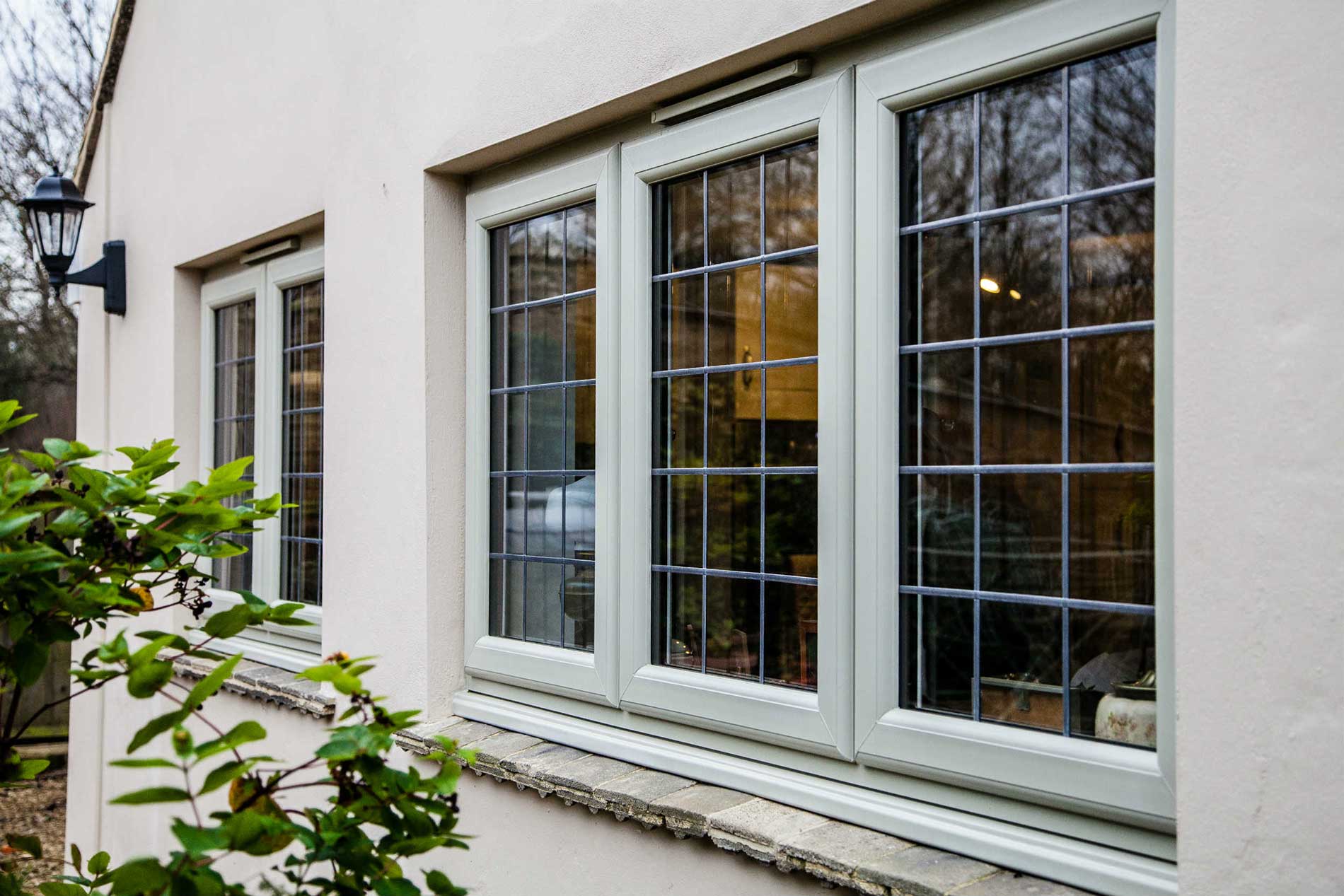
5. Long-Term Durability with Minimal Maintenance
Energy efficiency is about more than the initial installation. To keep windows performing at their best, they need to stand up to the test of time. This is where uPVC really shines.
Unlike timber, which can swell, warp, or rot if not carefully maintained, uPVC is resistant to weather, corrosion, and UV exposure. There’s no need for regular sanding, painting, or varnishing. A simple clean every now and then is all it takes to keep them looking and working like new.
As uPVC doesn’t degrade in the same way as wood, it maintains its airtight seals and insulating properties for decades – ensuring that energy savings aren’t just short-term, but long-lasting.
6. A More Sustainable Choice
There’s a perception that plastics can’t be environmentally friendly, but uPVC tells a different story. In fact, producing uPVC frames requires significantly less energy than manufacturing aluminium or even processing timber for use in windows. That means a lower carbon footprint right from the start.
Even better news, uPVC is recyclable. At the end of their life cycle, frames can be broken down and reused in new products, reducing waste. Combine that with their long service life – which is often 25 years or more – and you have a product that contributes to sustainability both in production and over time.
7. Added Benefits
While energy efficiency is the star of the show, uPVC windows come with plenty of extra advantages that make them even more appealing:
Enhanced security: Modern locking systems and strong frames make them a tough barrier against unwanted visitors.
Noise reduction: Multi-chambered frames and quality glazing reduce outside noise, creating a quieter indoor environment.
Design versatility: Available in a wide range of styles, colours, and finishes, uPVC windows can complement both traditional and contemporary homes.
These benefits add to the overall value, making uPVC windows a well-rounded choice for homeowners who want practical performance without compromising on style.
Our Thoughts
So, why are uPVC windows top when it comes to energy efficiency? It’s a combination of clever design, natural thermal resistance, airtight seals, advanced glazing options, and durability that stands the test of time.
They don’t just help cut your bills – they improve your quality of life while lowering your environmental impact.
If you’re considering upgrading your windows, uPVC is the obvious place to start. Affordable, efficient, and reliable, they’re proof that sometimes the most popular option is also the smartest one.