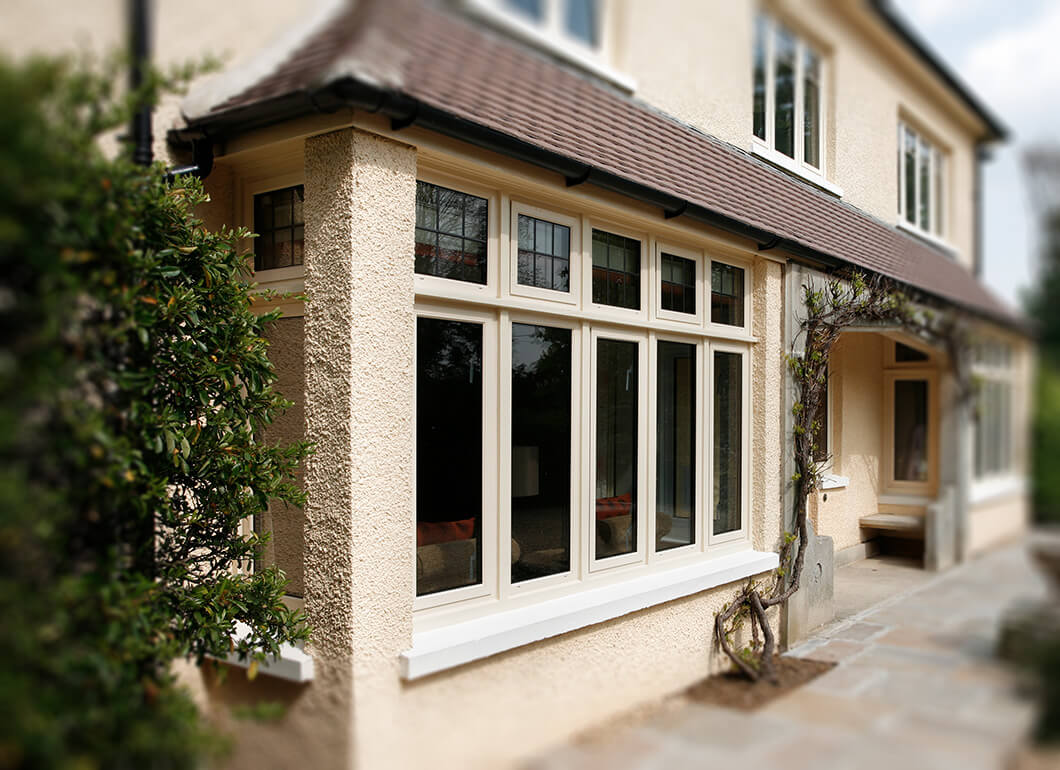
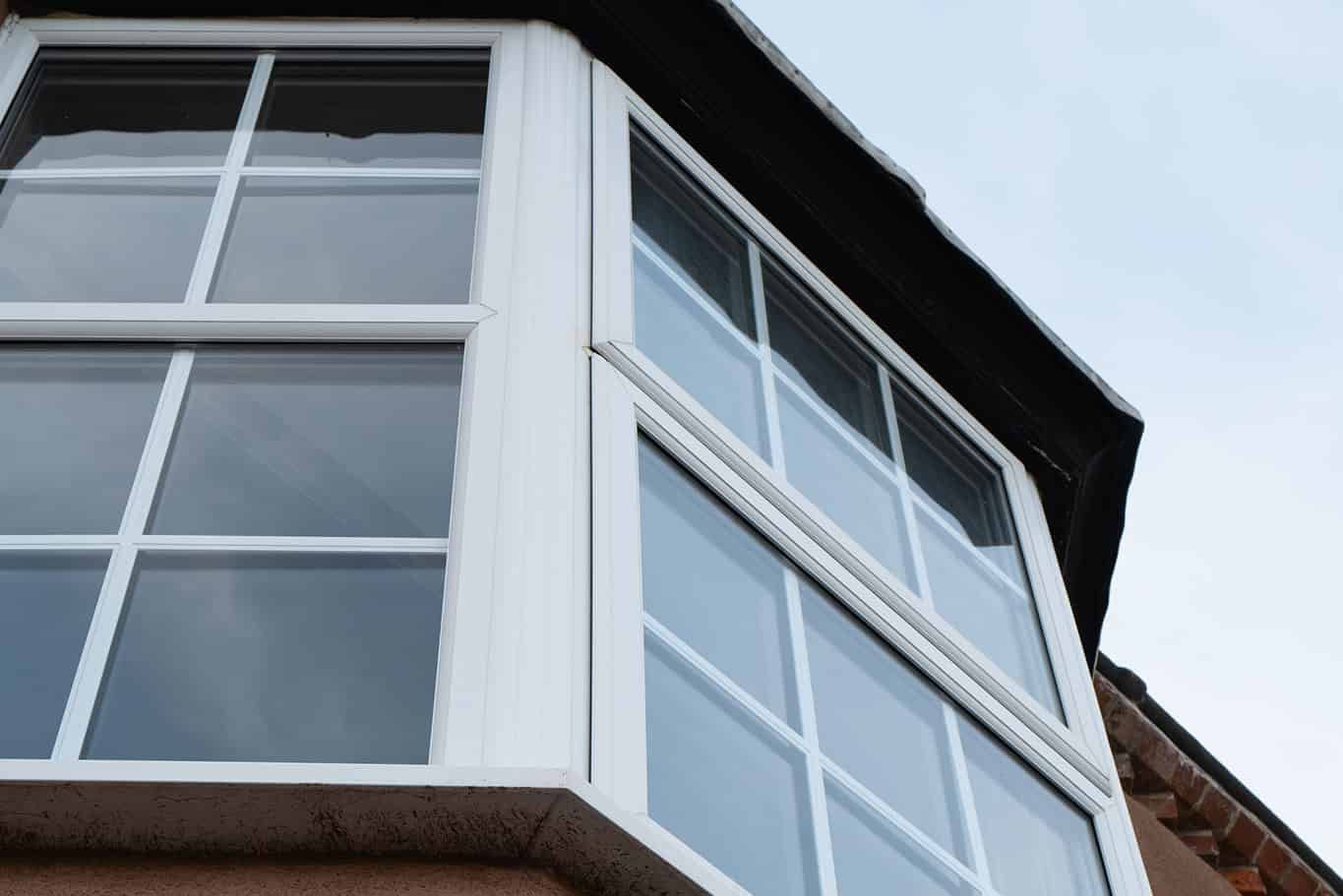
your home. It adds character and kerb appeal externally, while internally it can completely change the feel of a room by introducing more light and a greater sense of space.
Before committing to a bay window installation, however, there are several important factors to consider. These include technical and structural requirements, as well as more subjective considerations such as style, practicality, and suitability for your property.
If your proposed bay window installation (as is often the case) is located at the front of your property, there is a strong possibility that planning permission may be required before any physical alterations take place. That said, if you already have a bay window and are simply replacing or renewing it with one of a similar size and style, planning permission is not usually necessary.
Even so, we always recommend checking before work begins. With any bay window installation, it’s sensible to contact your local planning authority, review current building regulations (as windows must now meet specific performance standards), and check whether your property is affected by any Article 4 Directions. These apply in certain areas where permitted development rights have been removed, making due diligence especially important.
Because of the structural considerations involved, bay window installations should always be carried out by a professional installer who is fully insured and able to guarantee the quality of their work. This ensures the installation is structurally sound, properly supported, weatherproof, and protected against issues such as damp ingress.
A well-installed bay window can significantly enhance both the exterior and interior of a property. Internally, it can slightly increase usable living space, improve natural light levels, and create a more open and prominent focal point within the room — most commonly in living rooms, where the impact is maximised.
There are, however, potential downsides to consider. The most obvious is cost. Due to the nature of the installation, bay windows typically require multiple framed units to achieve the necessary levels of insulation and structural stability. If the bay window extends outwards from floor level to increase internal space, additional foundation work may also be required to provide adequate support and meet safety standards. This naturally needs to be factored into the overall cost of the project.
It’s also important to note that bay window installations are usually bespoke. The size of the bay, the chosen style, and the age and construction of the property all influence what’s involved. Because of this, any reputable installer will carry out a full survey before providing an accurate quotation. This allows them to properly assess both the time and materials required and avoid unexpected issues later in the process.
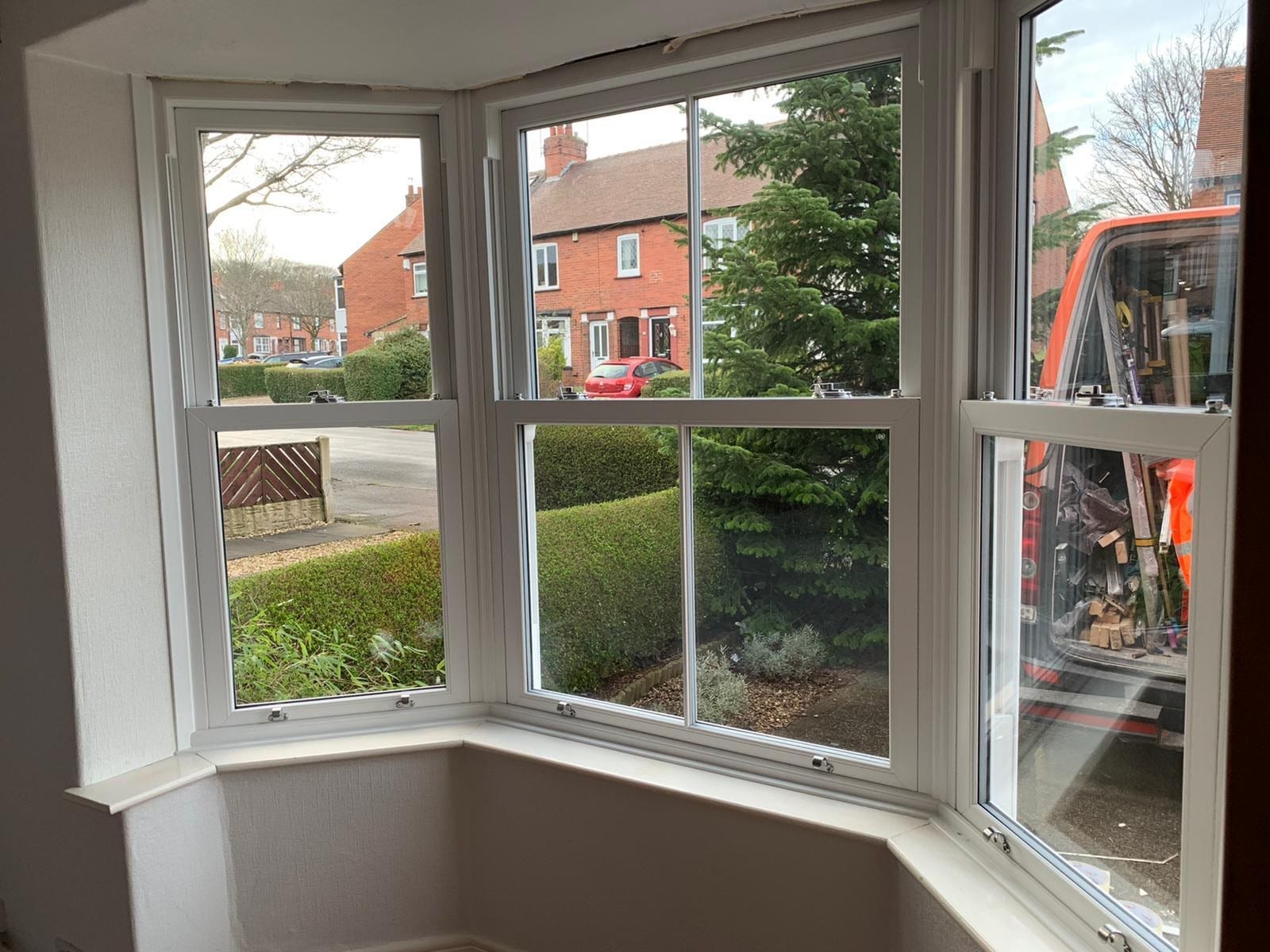
There are several key stages involved in adding a bay window to a property.
The process begins with a survey to assess the scope of work, estimate costs, and determine the appropriate materials. This is followed by a detailed inspection of the existing structure to identify any cracks or potential structural challenges that could become apparent once work begins.
All work should be carried out using appropriate personal protective equipment and properly tested, insured tools suitable for the task. The window opening must then be fully supported. For load-bearing windows, existing frames are carefully removed using adjustable props and timber supports to temporarily carry the weight above the opening before the old sill is removed. In trade terms, these supports are often referred to as “acrows” and “strong boys”.
Once this stage is complete, the new sill is installed. It is positioned beneath the existing structure, carefully packed and levelled, and securely fixed in place. Achieving a perfectly level sill at this point is essential, as it directly affects the alignment, performance, and longevity of the bay window itself.
The multi-panel bay window is then lifted into position, clamped to the angled support poles, and secured flush to both the supports and the surrounding wall. Throughout this process, constant checks are carried out to ensure the window remains level and correctly aligned.
The final stage involves sealing and finishing the installation. This includes applying silicone sealant, insulating all gaps, and using flashing tape to prevent air and water ingress. The installation is then completed with exterior trims and any required internal finishes, such as seating or shelving within the bay.
Correct sealing and weatherproofing are crucial. Inadequate flashing or poor sealing is one of the most common causes of failure in DIY or poorly executed bay window installations, often leading to draughts, heat loss, or water ingress over time.
Bay window installation is a popular request and, when completed correctly, can add real character and presence to the exterior of a property while also improving light and usable space inside. Many homeowners choose to use the additional internal area for seating, storage, or decorative features that enhance the room.
As with any major home improvement, it’s important to carefully consider both the cost and complexity of the project — particularly in older properties – before proceeding.
At The Essex Window Store, we offer free no-obligation quotes covering all aspects of bay window installation, along with bespoke finance options designed to suit a range of budgets and requirements.
We’d love to hear about what you have in mind. You can contact us on 0800 002 5386 to discuss your project.
As we like to be transparent… just like the windows we supply.