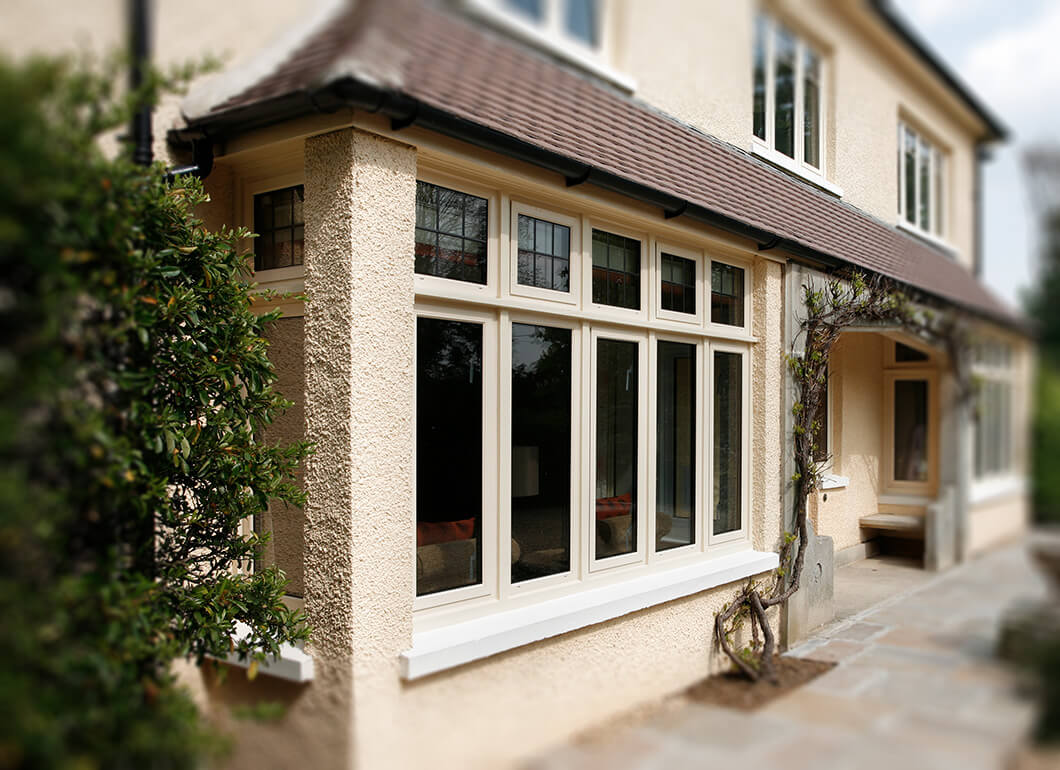
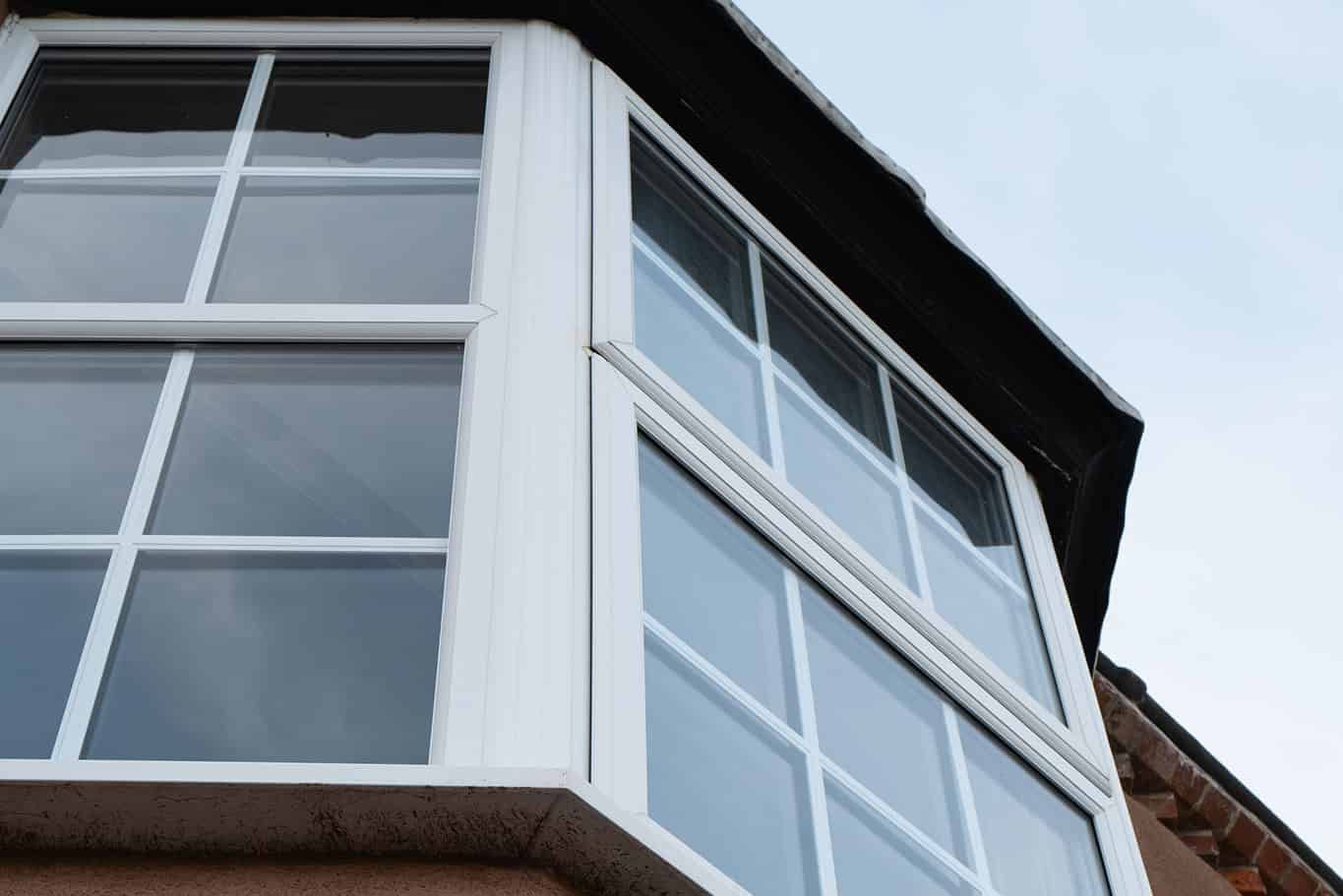
When it comes to upgrading your windows, most of us immediately think about the usual suspects: casement, sash, or maybe bay windows if you’re lucky enough to have the space. But there’s another style that’s becoming increasingly popular in UK homes – the tilt and turn window.
At first glance, tilt and turn windows look like a standard casement design. But take a closer look, and you’ll see they offer something very different: versatility. With the ability to both tilt inwards for ventilation and swing open fully for cleaning or emergency access, tilt and turn windows bring a level of practicality that’s hard to beat.
If you’re wondering whether they’re the right choice for your home, here’s the complete homeowner’s guide.
What Are Tilt and Turn Windows?
As the name suggests, tilt and turn windows have a dual opening function:
Tilt mode: The top of the window tilts inward, creating a small opening at the top. This allows safe, secure ventilation without fully opening the window.
Turn mode: The entire window swings inward on side hinges, much like a door. This provides full access to the outside glass and a wide opening for maximum airflow.
The mechanism is controlled by a single handle that moves through different positions to switch between modes. It’s simple to use yet highly effective.
Why Homeowners Love Tilt and Turn Windows
So why are tilt and turn windows making waves in the UK market? Here are the key benefits that make them so appealing.
1. Flexible Ventilation
Traditional windows often give you an all-or-nothing choice: open or shut. Tilt and turn windows allow you to ventilate without the draughts. Tilt mode is ideal for secure overnight airflow, while turn mode floods your room with fresh air when needed.
2. Easy Cleaning
If you’ve ever battled with ladders to clean upstairs windows, you’ll appreciate this feature. Tilt and turn windows open inward, giving you safe access to both sides of the glass from inside your home. No risk, no hassle, and no extra costs for professional cleaning.
3. Enhanced Security
Tilt mode provides ventilation without making your home vulnerable. Most designs include multi-point locking systems, reinforced frames, and key-lockable handles, making them as secure as they are convenient.
4. Modern Aesthetics
Tilt and turn windows have a sleek, continental look that complements both contemporary and traditional homes. They’re particularly popular in minimalist designs and urban apartments.
5. Energy Efficiency
Like other modern glazing options, tilt and turn windows can achieve excellent energy ratings. With multi-chambered uPVC frames, double or triple glazing, and weather seals, they’ll keep your home warm in winter and cool in summer.
Materials and Finishes
Tilt and turn windows are available in the same materials you’d expect from other modern frames:
uPVC: Affordable, low-maintenance, and highly energy efficient. Available in a wide range of colours and finishes, including woodgrain foils.
Aluminium: Slim sightlines, strength, and a contemporary finish. Perfect for modern builds or where large panes of glass are needed.
Timber: Traditional appeal, especially suited to period homes. Requires more maintenance but offers natural beauty.
Most suppliers offer customisation in colours, handles, and glazing bars, so you can match your home’s style.
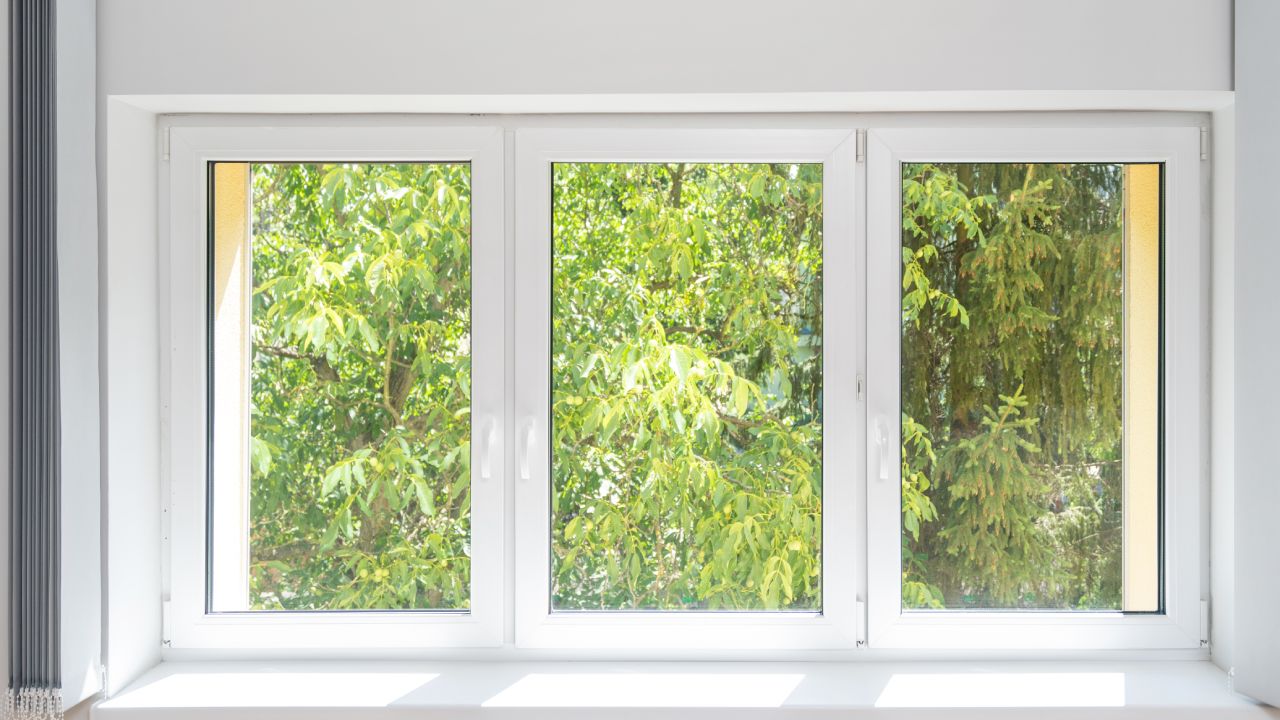
Where Tilt and Turn Windows Work Best
These windows are incredibly versatile, but there are some settings where they really shine:
Upstairs rooms: Easy cleaning without needing ladders.
High-rise apartments: Safe ventilation and internal access for maintenance.
Children’s bedrooms: Tilt mode allows airflow without risk of children climbing out.
Modern extensions: Their sleek style fits perfectly with contemporary designs.
That said, tilt and turn windows can be installed in almost any part of the home – from kitchens and bathrooms to living spaces.
Things to Consider Before Choosing Tilt and Turn Windows
As with any home improvement decision, there are a few points to weigh up before you commit:
Opening space: Because the window swings inward, you’ll need to make sure there’s enough room inside the house for it to open fully. Furniture placement matters here.
Cost: Tilt and turn mechanisms are more complex than standard casements, so prices are usually a little higher.
Style match: While modern and sleek, tilt and turn windows might look out of place on certain heritage properties unless carefully chosen.
Installer experience: Not all installers specialise in tilt and turn systems. It’s important to choose a company familiar with the product.
Comparing Tilt and Turn with Other Window Types
To help decide, here’s how tilt and turn windows stack up against other popular options:
Casement windows: Cheaper and more traditional, but don’t offer the same flexibility or cleaning convenience.
Sash windows: Perfect for period charm, but less versatile in terms of ventilation.
Fixed windows: Great for light but offer no ventilation at all.
Tilt and turn windows sit in a sweet spot – modern, practical, and secure while still providing style and flexibility.
Maintenance and Longevity
Tilt and turn windows are designed to last. With strong materials, high-quality hinges, and robust locking systems, they’ll serve you well for decades.
uPVC versions: Typically last 25–30 years with minimal upkeep.
Aluminium frames: Can exceed 40 years, thanks to their strength and resistance to corrosion.
Timber options: Require repainting or staining but can last a lifetime if cared for properly.
Routine maintenance usually involves checking seals, lubricating hinges, and giving frames a simple clean.
Cost of Tilt and Turn Windows
Prices vary depending on size, material, glazing, and finish. As a rough guide:
uPVC tilt and turn windows are the most affordable.
Aluminium options sit mid-to-high range.
Timber is generally the most expensive due to craftsmanship and upkeep.
While you’ll pay more than for a standard casement, the added benefits often justify the investment. Think of it as paying a little extra for long-term convenience, safety, and efficiency.
The Right Installer
Choosing a competent installer is just as important as picking the right window. Here’s what to look for:
Accreditations: FENSA or CERTASS membership guarantees compliance with regulations.
Specialist knowledge: Experience specifically with tilt and turn systems.
Customer feedback: Look for consistent, detailed positive reviews.
Transparency: Itemised quotes that cover fitting, disposal of old windows, and aftercare.
Guarantees: Long warranties on both product and installation.
Don’t be swayed by the cheapest price alone – quality installation pays off in the long run.
Our Thoughts
Tilt and turn windows might not be as well-known in the UK as casements or sashes, but they’re fast becoming a favourite for good reason. Their unique dual-opening design combines practicality, safety, and style in one sleek package.
If you’re looking for windows that provide easy cleaning, secure ventilation, and excellent energy efficiency, tilt and turn could be the perfect choice. Whether you’re upgrading a family home, fitting out an apartment, or building a modern extension, these windows adapt to your lifestyle while adding a contemporary edge.