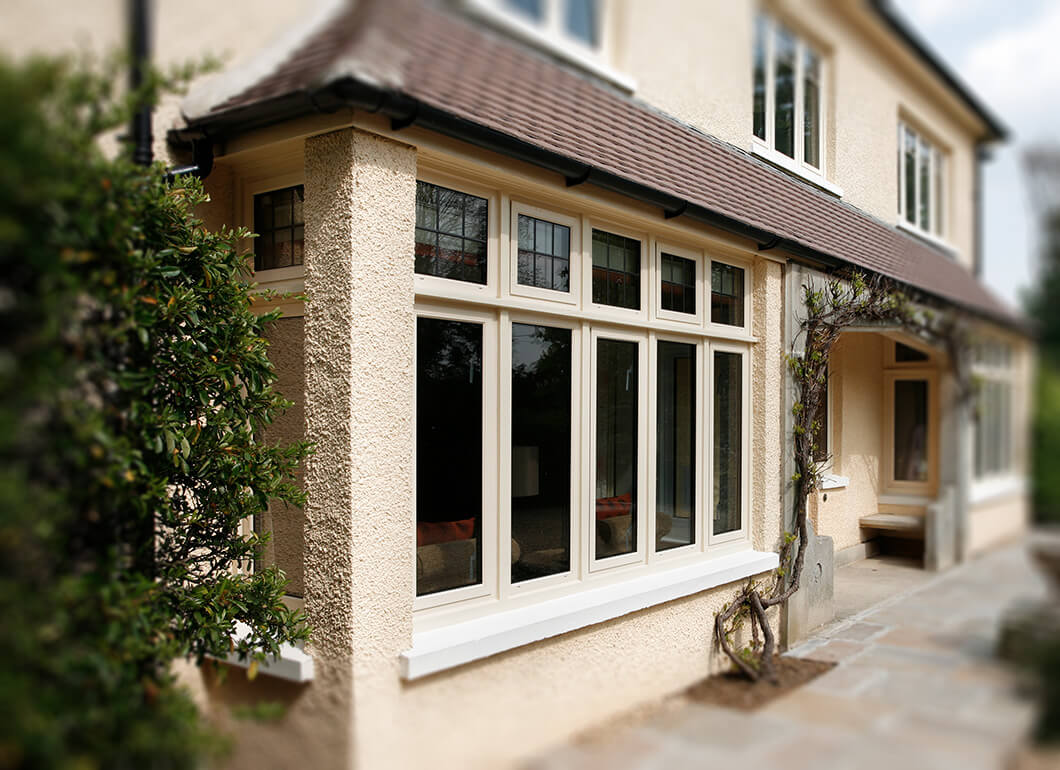
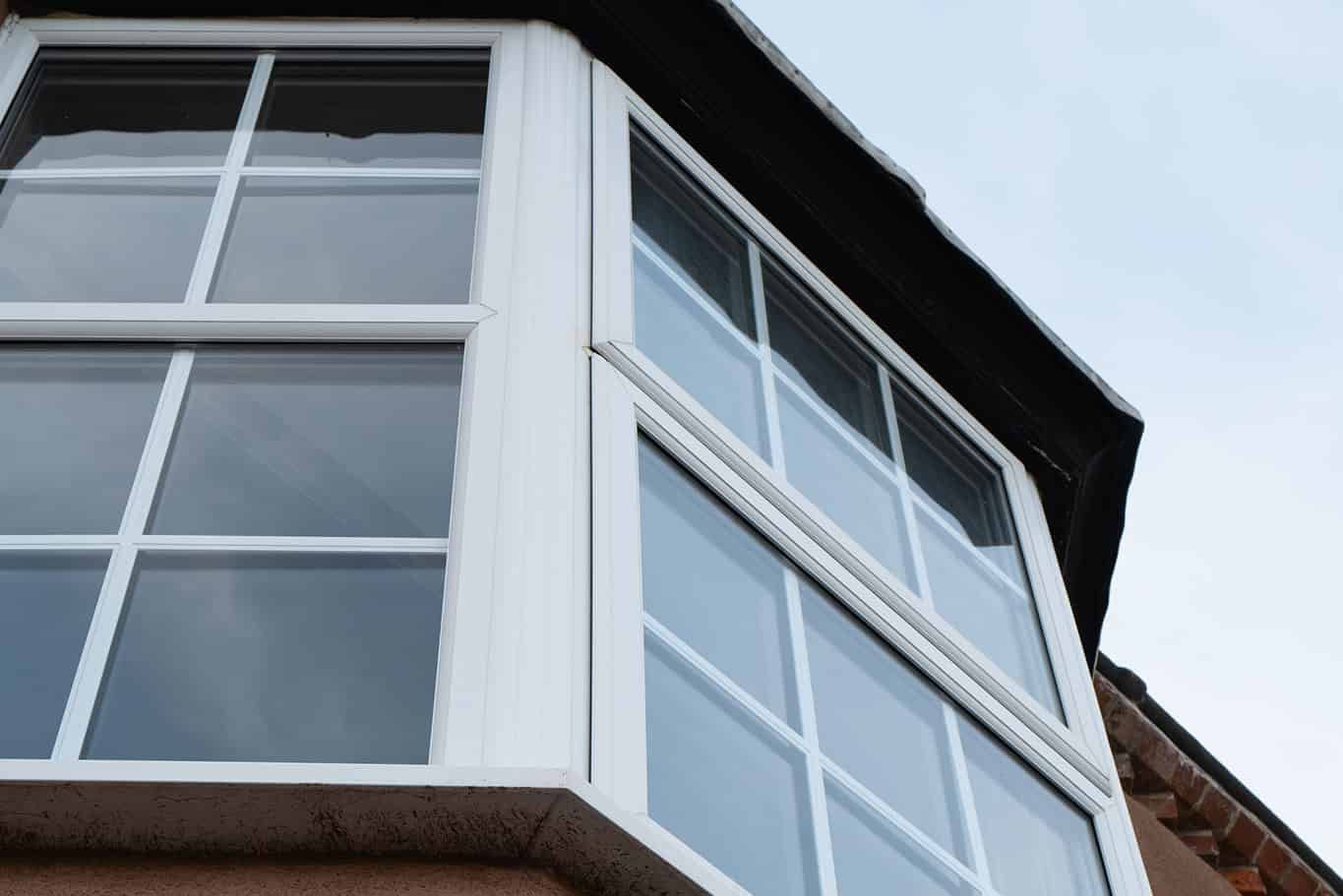
There’s something undeniably special about sash windows. Whether it’s the elegant proportions, the way they frame light, or the timeless connection to the history of your home, sash windows bring a character that modern casements simply can’t match.
But as much as we love them, traditional sash windows aren’t always known for their practicality. Many homeowners put up with draughts, rattles, and rising heating bills because they don’t want to lose that original charm. The good news? You don’t have to choose between beauty and comfort.
Replacing sash windows today means you can restore the look you love and enjoy modern levels of warmth, efficiency, and security. Here’s everything you need to know.
Why Sash Windows Still Matter
Sash windows have been a feature of British architecture since the 17th century, gracing Georgian townhouses, Victorian terraces, and Edwardian villas. They’re more than just a design element – they’re part of the heritage and identity of our homes.
Aesthetic value: They maintain the original style and proportions of period properties.
Practical design: Sliding operation allows excellent ventilation without opening windows outward.
Cultural importance: In conservation areas, sash windows are often a requirement rather than a choice.
For many homeowners, keeping sash windows isn’t about nostalgia; it’s about respecting the building’s character and protecting its value.
The Problem with Old Sash Windows
Of course, the sash windows we admire today weren’t designed with 21st-century living in mind. If you live with original timber sashes, you’ll know the issues:
Draughts and heat loss: Gaps in old frames let cold air in and warm air out.
Condensation: Single glazing struggles against the UK’s damp climate.
Maintenance headaches: Regular painting, sanding, and repairs are essential.
Security concerns: Traditional latches aren’t always the strongest.
Sticky or rattling sashes: Warped timber and broken cords make windows hard to use.
These problems don’t just affect comfort; they push up your energy bills and make your home harder to heat.
Modern Sash Window Replacement: The Best of Both Worlds
Today’s sash window replacements are designed to preserve that traditional charm while eliminating the drawbacks. Whether you choose timber, uPVC, or aluminium, the latest designs blend heritage looks with cutting-edge performance.
Here’s how:
Energy Efficiency Built In
Gone are the days of icy draughts. Modern sash windows include:
Double or triple glazing: Multiple panes with insulating gas layers to trap warmth.
Low-emissivity coatings: Reflect heat back into the room while allowing natural light in.
Weather seals: Keep out draughts, dust, and moisture.
Multi-chambered frames (in uPVC): Provide additional thermal barriers.
The result? A warm, cosy home with far lower heating bills.
Low Maintenance Materials
While timber replacements are still available (and often required for listed buildings), many homeowners choose uPVC sash windows. They offer:
The look of painted timber without the upkeep.
Resistance to rot, warping, and peeling.
Simple cleaning and zero repainting.
Aluminium sash windows are another option – slim, strong, and available in heritage finishes.
Enhanced Security
Modern locking systems transform sash window security. Key-operated locks, reinforced frames, and toughened glass provide peace of mind without compromising on design.
Smooth Operation
Forget wrestling with stuck sashes. Modern balances replace old cords and weights, ensuring effortless sliding for years to come.
Choosing the Right Style
Sash windows aren’t “one-size-fits-all.” The right replacement depends on your home’s age, architecture, and your personal preferences.
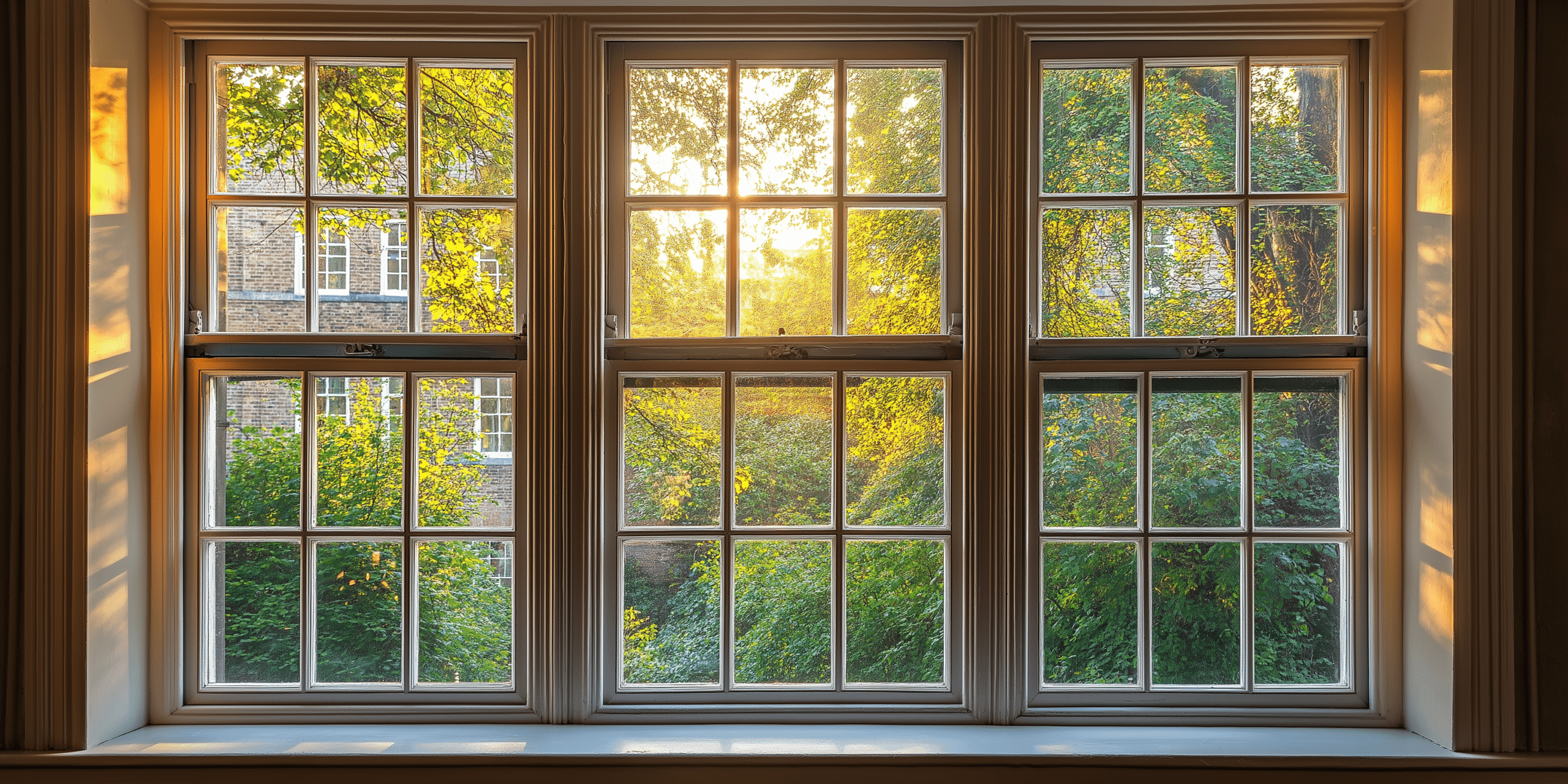
Georgian sash windows: Typically six-over-six panes, with symmetrical proportions.
Victorian sash windows: Often feature a two-over-two design with larger glass areas.
Edwardian sash windows: A combination of styles, with more elaborate glazing bars.
Modern sash windows: Simplified designs that work for new builds while nodding to tradition.
The best installers will match the profile, glazing bars, and finishes to replicate the look of your originals.
Cost vs Value
There’s no denying that sash window replacement is an investment. Costs vary depending on material, glazing, and whether bespoke work is needed. Timber is usually the most expensive, followed by aluminium, with uPVC being the most affordable.
But it’s worth thinking long term:
Lower energy bills: Savings can add up year after year.
Reduced maintenance: Less money spent on repairs and repainting.
Added property value: Homes with well-maintained sash windows appeal strongly to buyers.
Improved comfort: Priceless when you’re no longer sitting in a draught.
In most cases, the benefits outweigh the upfront cost – especially if you plan to stay in your home for years.
Practical Considerations When Replacing Sash Windows
Before diving in, here are a few things to think about:
Material choice: Timber for authenticity, uPVC for low maintenance, aluminium for slim frames.
Glazing options: Double glazing is standard; triple glazing adds even more insulation.
Finish and colour: From classic white to woodgrain foils or bold contemporary shades.
Hardware: Traditional sash lifts and locks are available in modern finishes.
Guarantees: Look for long warranties on both frames and glazing.
A good installer will talk you through these decisions, show you samples, and provide a detailed, itemised quote.
Finding the Right Installer
The installer you choose makes all the difference. Look for:
Experience with sash windows: This is a specialist skill, not just standard glazing.
Customer reviews: Consistent positive feedback across platforms.
Certifications: FENSA or CERTASS registration for compliance and quality.
Aftercare: Solid guarantees and accessible service.
Local reputation: A company that knows the quirks of your area’s housing stock.
Remember, the cheapest quote isn’t always the best. Transparency, reliability, and expertise matter more in the long run.
Living with Your New Sash Windows
Once installed, you’ll notice the difference immediately:
Quieter interiors: Outside noise is cut down dramatically.
Stable temperatures: No more sitting next to freezing panes in winter.
Smooth usability: Easy sliding with secure locking.
Pride of appearance: Your home looks cared for and true to its heritage.
And because modern sash windows are built to last, you’ll enjoy these benefits for decades to come.
Our Thoughts
Sash window replacement doesn’t mean saying goodbye to charm. With today’s materials and technology, you can enjoy all the character of traditional design while gaining the warmth, efficiency, and security of modern glazing.
Whether you live in a Georgian townhouse, a Victorian terrace, or a modern home with period features, there’s a sash solution that will respect your property’s heritage and improve your everyday comfort.
So if rattling panes and draughty nights have worn out their welcome, it might be time to make the change. Restore the charm, keep the character, but say goodbye to the cold.
Because with sash window replacement, you really can have the best of both worlds.