How Much Does Double Glazing Cost? 2026 Double Glazed Windows Cost Guide
26 August 2026
"How much does double glazing cost?" is the single most common question we get asked, and honestly, it's the right question to start with. New windows are one of the bigger investments you'll make in your home, so you deserve straight numbers rather than "it depends" and a sales pitch.
So here it is: a proper, no-nonsense guide to what double glazing actually costs in the UK in 2026, what pushes prices up or down, and how to make sure the quote you get is fair.
Quick answer: average double glazing costs in 2026
If you just want the headline figures, here are typical fully fitted prices per window, including VAT, removal of the old window, making good and certification:
- uPVC casement window: £400 to £750
- uPVC flush sash window: £550 to £900
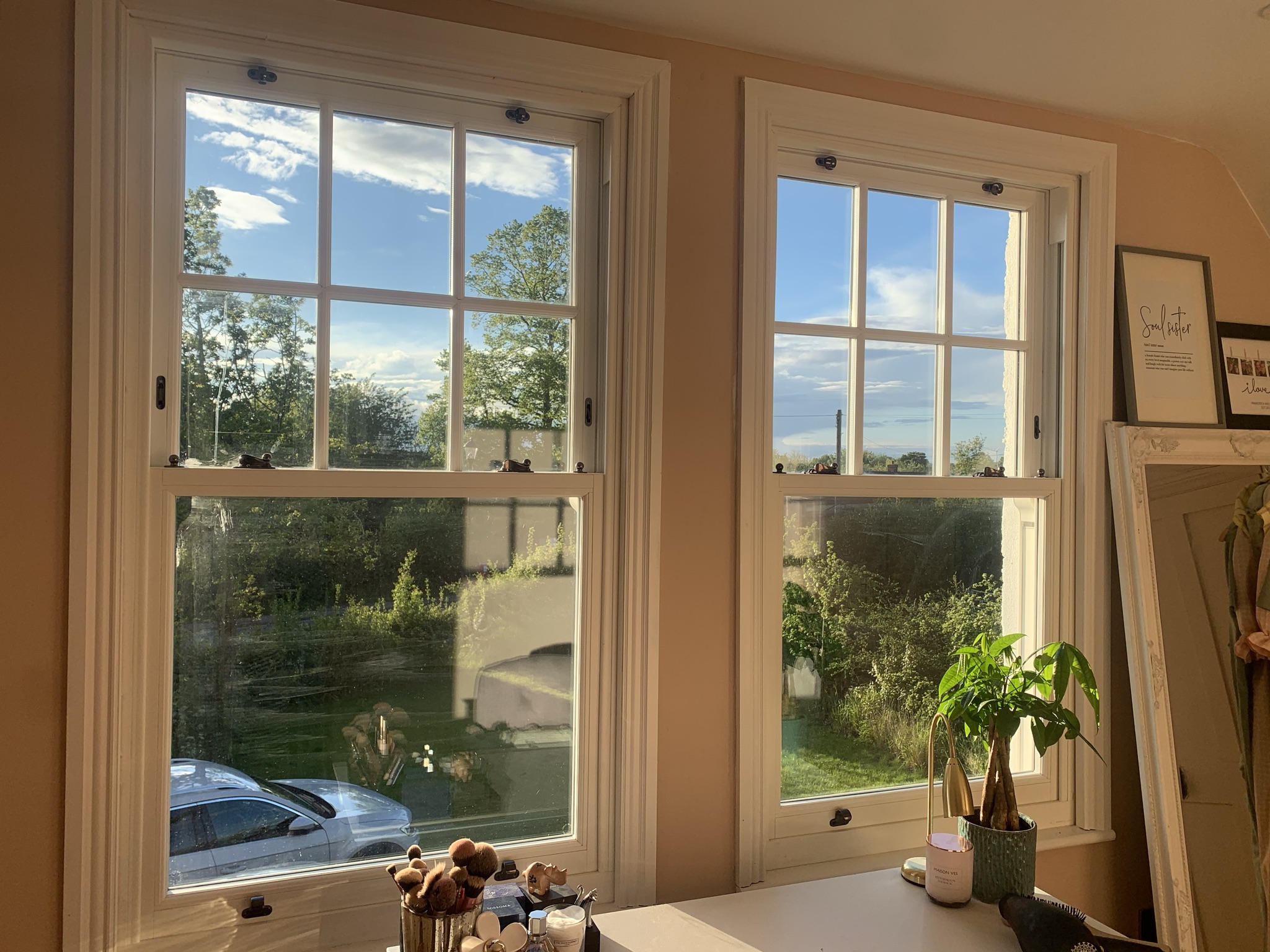
- uPVC sliding sash window: £700 to £1,200
- uPVC tilt and turn window: £500 to £850
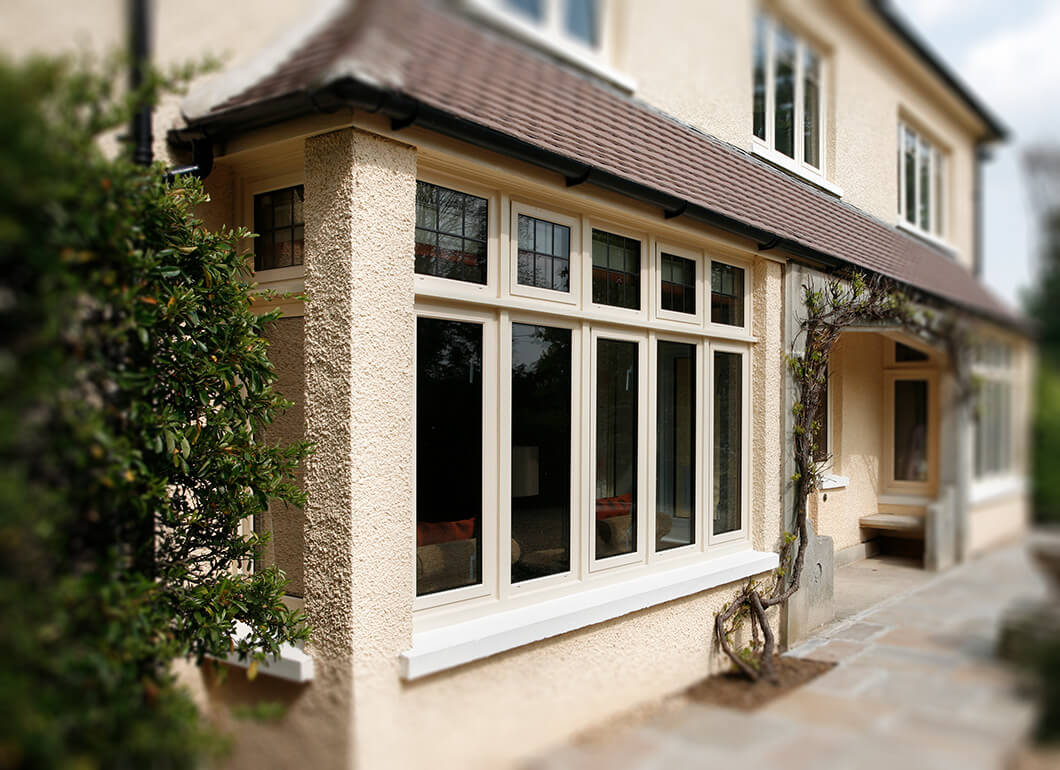
- uPVC bay window (3 section): £1,200 to £2,500
- Aluminium casement window: £700 to £1,300
- Timber window: £900 to £1,800
For a whole house, most Essex homeowners replacing every window in a typical 3-bedroom semi should budget somewhere between £4,500 and £8,500 for good quality A-rated uPVC, fully fitted. A larger detached property with bays and feature windows can run from £8,000 to £15,000+.
These are genuine market ranges for quality products installed properly by a FENSA registered fitter. If a quote comes in dramatically below these figures, there's usually a reason, and it's rarely a good one.
What actually makes up the price
A window quote isn't just "a window". Understanding what's included helps you compare quotes properly.
The frame material
uPVC remains the most cost effective option by a clear margin, which is why it's on the vast majority of UK homes. Aluminium costs more but gives you slimmer sightlines and suits contemporary builds. Timber sits at the top end, mostly for period properties and conservation areas where nothing else will do.
The size and style of the opening
Bigger glass means bigger cost, and the opening style matters too:
- Casement windows are the cheapest to manufacture, simple side-hinged openings with fewer moving parts.
- Flush sash designs sit flat within the frame for a cleaner, more traditional look, and cost a little more for the extra engineering.
- Sliding sash windows involve cords, weights or spiral balances and precise tolerances, so they command a premium.
- Tilt and turn mechanisms add hardware cost but give you two ways to open one window.
- Bay windows are effectively several windows joined together with structural posts, so they price closer to a small project than a single unit.
The glass specification
Standard A-rated double glazing with low-E glass and argon fill is the baseline most quotes should include. Upgrades that add cost:
- Triple glazing: typically adds 30 to 40% per window. Worth it for north-facing rooms or noisy roads, less essential elsewhere.
- Acoustic glass: a genuine quality-of-life upgrade near main roads, railways or flight paths.
- Decorative, obscured or leaded glass: adds cost depending on the pattern.
- Self-cleaning or solar control coatings: useful on hard-to-reach or south-facing glass.
Colour and finish
Plain white uPVC is the cheapest finish. Woodgrain foils and colours like anthracite grey, black or sage green usually add 10 to 20% per window. Dual colour (one colour outside, white inside) costs a little more again.
Installation complexity
Two identical windows can cost different amounts to fit. Prices move depending on:
- Access: ground floor vs scaffolding over a conservatory.
- The state of the existing frames: rotten timber surrounds or blown lintels need remedial work.
- Making good: internal plaster, external render and cill repairs.
- Disposal: removing and responsibly disposing of old frames and glass.
What's the cost of double glazing a whole house?
To make this real, here's what typical full-house projects look like at fair market prices:
- 2-bed terrace (6 to 8 windows): £3,000 to £5,000
- 3-bed semi (8 to 10 windows): £4,500 to £8,500
- 4-bed detached (12 to 15 windows, often with a bay): £8,000 to £15,000+
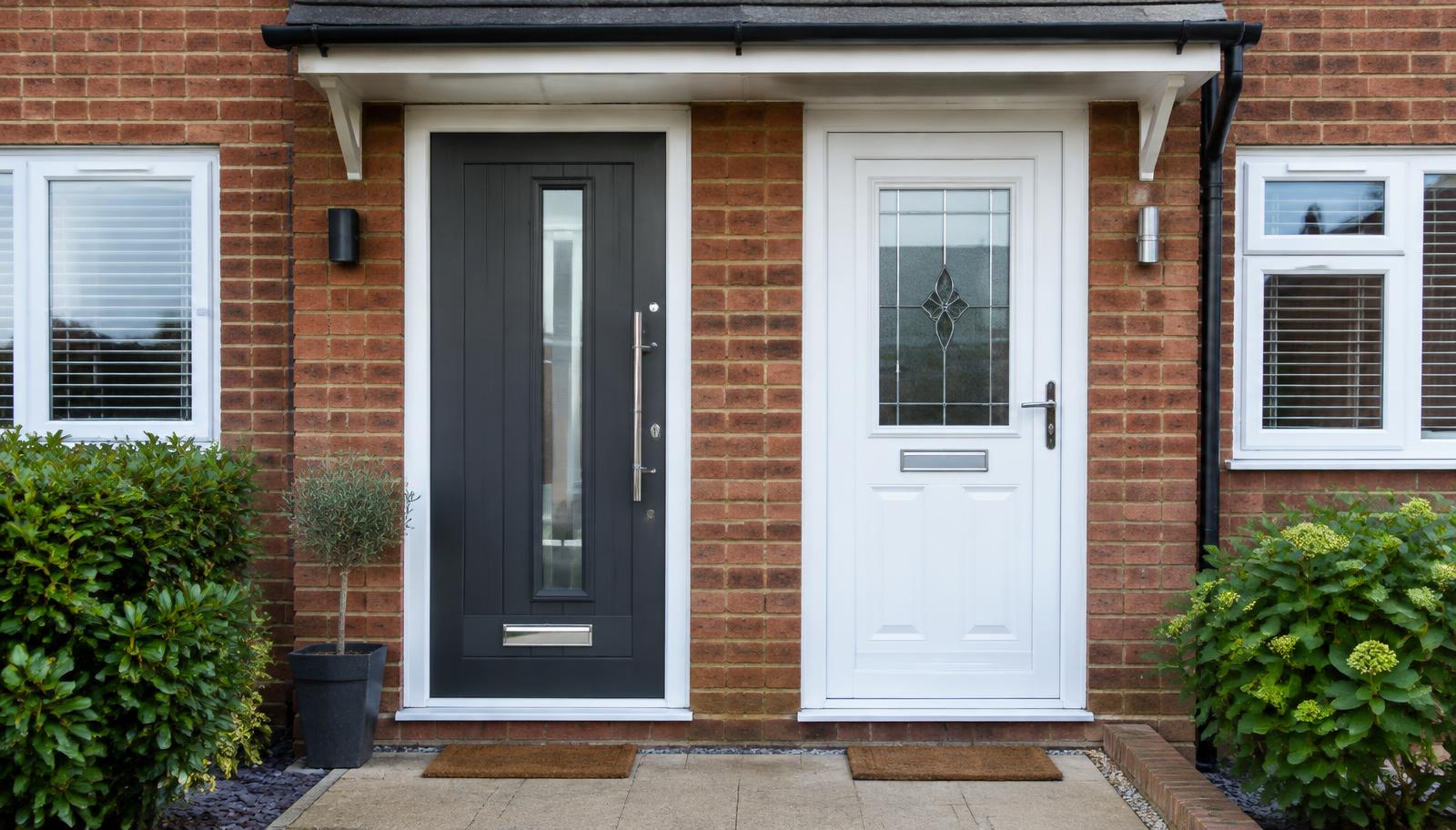
Those figures assume good quality A-rated uPVC with a 10-year guarantee, FENSA certification and proper finishing. Doors are priced separately: a composite front door typically adds £1,000 to £1,800 fitted, French doors £1,400 to £2,200, and bi-folds from around £2,500 depending on span.
The hidden costs to check before you sign
This is where quotes get people. When you compare prices, confirm each of these is included in writing:
- VAT: some quotes show ex-VAT figures to look cheaper.
- FENSA or CERTASS certification: a legal requirement for replacement windows, and you'll need the certificate when you sell.
- Removal and disposal of your old windows.
- Making good: internal plasterwork and external sealing around the new frames.
- Trickle vents: required by building regulations in most replacements.
- The guarantee: length, what's covered, and whether it's insurance backed if the company ceases trading.
A genuinely comparable quote covers all of the above. If one installer is £1,000 cheaper, check whether they've simply left things out.
How to get the best price without getting stung
A few principles that will save you money and grief:
- Get three quotes and compare them line by line, not just the totals.
- Ignore "today only" discounts. If a price is only valid while a salesperson sits in your kitchen, it was never the real price.
- Ask who is actually fitting the windows. Companies using their own employed fitters tend to deliver more consistent results than those subcontracting to whoever is free that week.
- Check the guarantee is insurance backed, so it still means something in ten years.
- Don't pay everything upfront. A reasonable deposit with the balance on completion is the norm for reputable firms.
- Local usually beats national. National brands carry huge marketing and showroom overheads, and you pay for them. A well-reviewed local installer will often beat their price by 20 to 30% for the same or better products.
Is double glazing worth the money?
In most cases, yes, and the payback comes from several directions at once:
- Energy bills: swapping single glazing or failed early double glazing for modern A-rated units can save a typical semi £150 to £250 a year on heating.
- Comfort: fewer draughts, less cold glass, and a home that holds its temperature.
- Noise: properly specified glazing can cut outside noise dramatically.
- Security: modern multi-point locking and toughened glass are a real step up from older windows.
- Value and saleability: buyers notice windows, and estate agents will tell you tired glazing knocks money off offers.
Spread over the 20 to 25 year lifespan of a quality installation, the numbers stack up well.
Frequently asked questions
How much does one double glazed window cost?
A single uPVC casement window, supplied and fitted, typically costs £400 to £750 in 2026 depending on size and finish. Sash, tilt and turn and bay styles cost more due to their mechanisms and complexity.
How much does it cost to double glaze a 3-bed house?
Budget £4,500 to £8,500 for a full house of quality A-rated uPVC windows, fully fitted with certification and guarantees. The final figure depends on window count, styles, colours and access.
Is triple glazing worth the extra cost?
Sometimes. Triple glazing adds around 30 to 40% per window and makes most sense for very exposed rooms, north-facing walls or noisy locations. For most UK homes, good A-rated double glazing delivers the best value per pound.
Why are some quotes so much cheaper than others?
Usually one of three reasons: lower specification products, items excluded from the quote (VAT, certification, making good), or subcontractors paid per window with an incentive to rush. Occasionally it's a genuinely better deal, but always compare the detail.
Do I need planning permission to replace windows?
Usually not. Like-for-like replacements fall under permitted development. The exceptions are listed buildings, some conservation areas and flats, where you should check with your local planning office first.
The bottom line
Good double glazing isn't cheap, but it shouldn't be mysterious either. For most Essex homes, you're looking at £400 to £750 per standard window or £4,500 to £8,500 for a full house, with style, specification and access doing most of the moving.
If you'd like a genuine, itemised price for your home with no sales theatre attached, get a free quote and we'll measure up properly. You can also browse our window range, from casement and flush sash to sliding sash and bay windows, or see our door range if you're planning the whole project at once.